Lean Scope
Keep proposals focused on machine fit, duty limits, and service access.
About Trio
The assigned page layout is ABT-C, so the page uses a narrative start, a clear pullquote, horizontal values, community impact, and a form-led action. The voice remains minimal and efficient rather than ceremonial. Trio speaks to site managers, plant engineers, and sourcing teams who want fewer claims and more useful inputs.
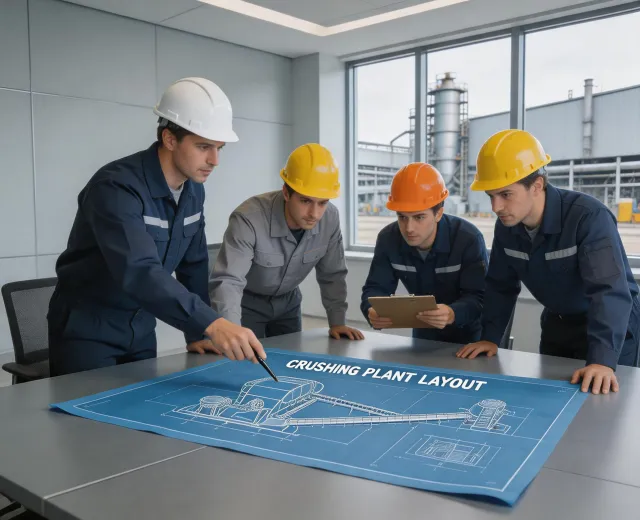
Trio's role in this site is direct: help users define crushing and screening equipment around feed behavior, production target, service constraints, and spare strategy. A quarry may need a replacement jaw crusher that fits existing civil work. A mine may need a cone station that can handle abrasive ore without turning liner changes into an access problem. An aggregate producer may need a screen package that improves separation without adding avoidable complexity. The common thread is not a long catalog. It is a clean decision path.
Useful equipment support starts when the supplier asks the same questions the plant team has to answer after installation.
That is why Trio content emphasizes compact tables, list-view product rows, and practical service language. The brand is not trying to look larger than the job. It is trying to be easier to work with when the site is under pressure. Each page is structured so the visitor can see what information is needed, how the recommendation will be framed, and what action to take next.
Keep proposals focused on machine fit, duty limits, and service access.
Discuss wear items, replacement intervals, and urgent spares early.
Respect shutdown timing, shift handover, and operator feedback loops.
Use documents that maintenance, procurement, and engineering can all read.
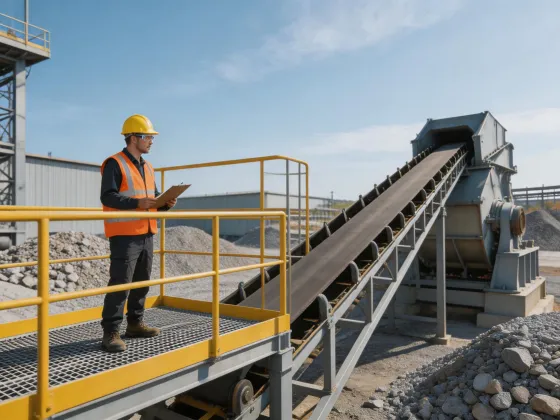
For mining and aggregate communities, equipment reliability is not abstract. It affects haul schedules, maintenance overtime, road material supply, and the way local crews plan work. Trio's efficient approach supports that reality by keeping machine selection and service support grounded in access, uptime, and spare planning. When plants run with fewer surprises, teams can work in a more controlled rhythm and customers receive material with fewer interruptions.
The company story therefore stays close to operations. It values disciplined communication, a short list of meaningful technical inputs, and equipment decisions that can survive contact with dust, vibration, abrasive material, and real maintenance windows.